Gourmet, Sightseeing
Kure Taisho-machi Market Guide: Best Bonito, Local Food & Must-Try Spots in Kochi






2025/12/14
Contents
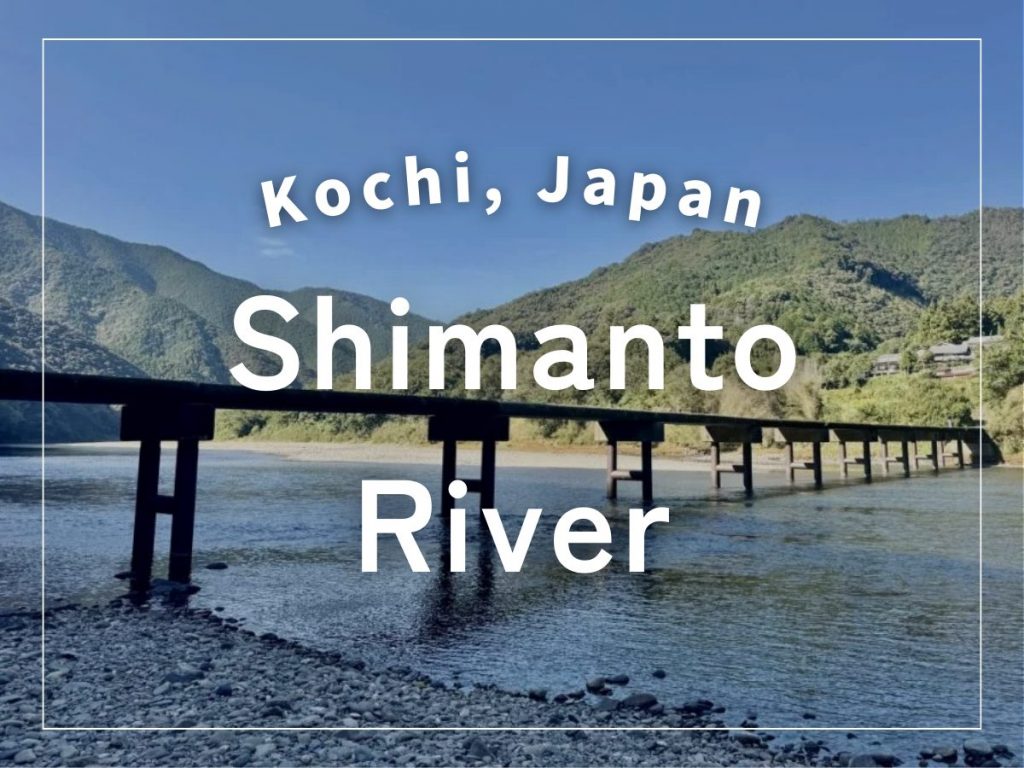
The Shimanto River flows through the rural heart of Kochi Prefecture in Shikoku and is often described as Japan’s last untouched clear stream. It’s easy to see why. Villages, rice fields, and quiet stretches of forest line the water, creating the kind of calm that makes even seasoned travelers slow their pace.
If you’re planning a trip through the area, here are the experiences, foods, and small local discoveries that define a Shimanto journey.
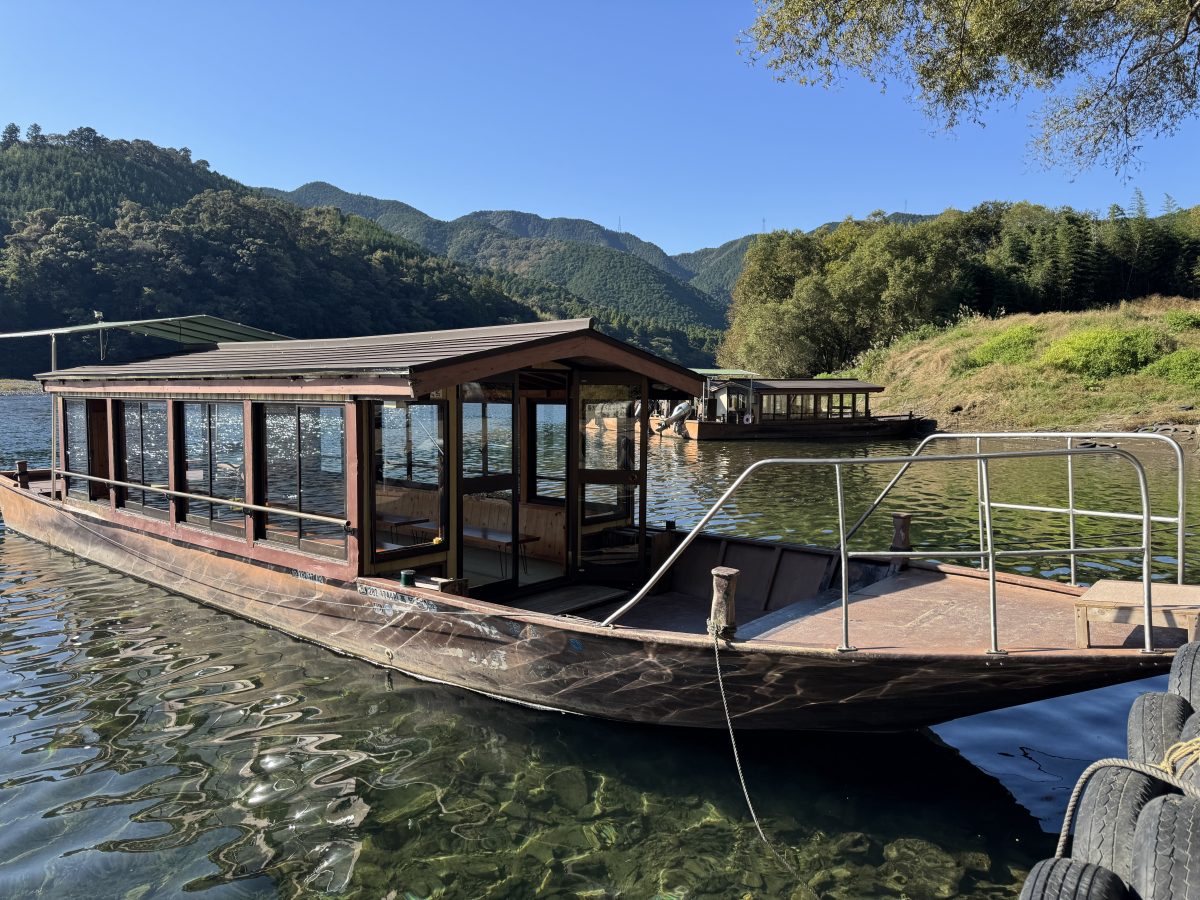
One of the most relaxing ways to meet the Shimanto River is aboard a yakatabune, a traditional roofed sightseeing boat. The 50-minute cruise drifts downstream before turning back near the famous Sada Submersible Bridge. Because the deck sits close to the water, you can clearly see river plants, the reflections of the sky, and the gentle flow beneath you.
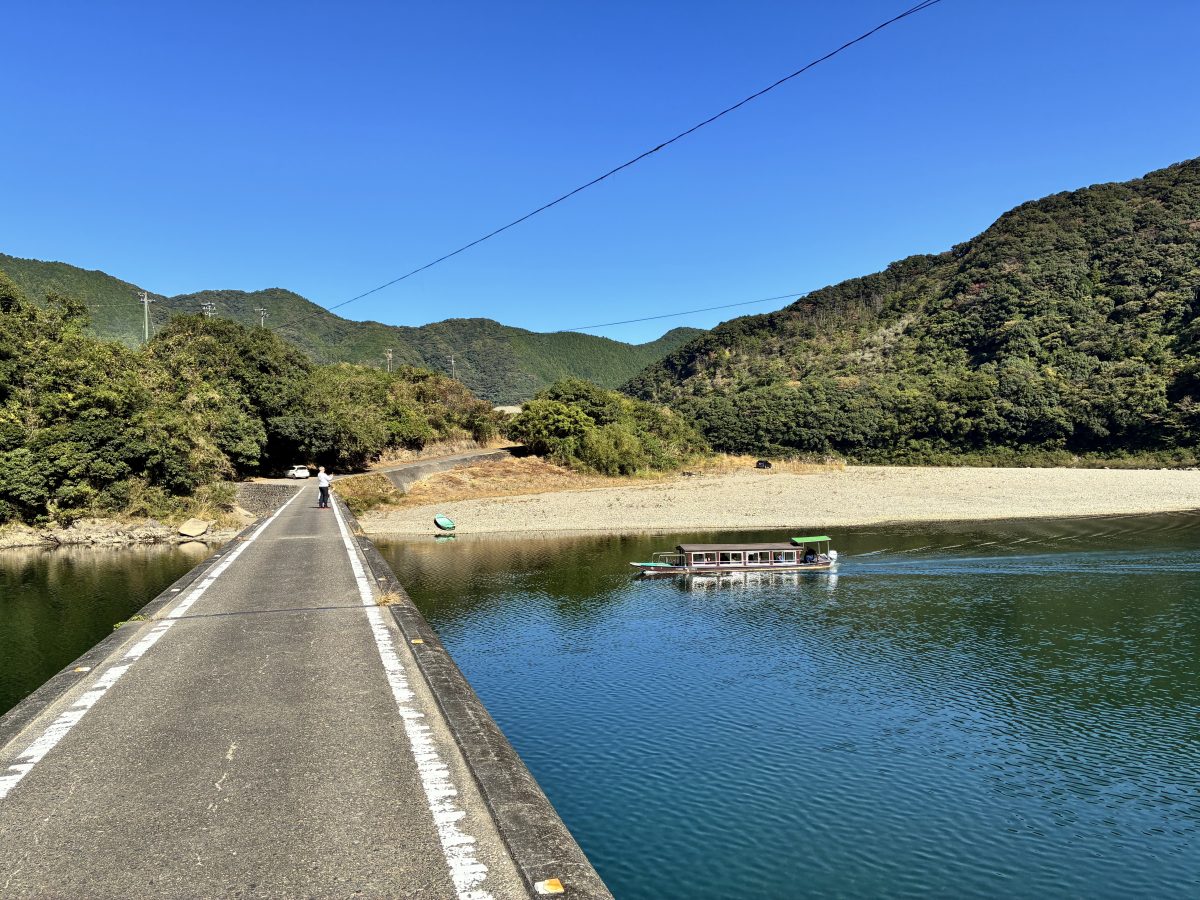
The moment the boat turns quietly just before the bridge is surprisingly beautiful—you look up at the low structure from almost water level, a perspective you can’t get from land.
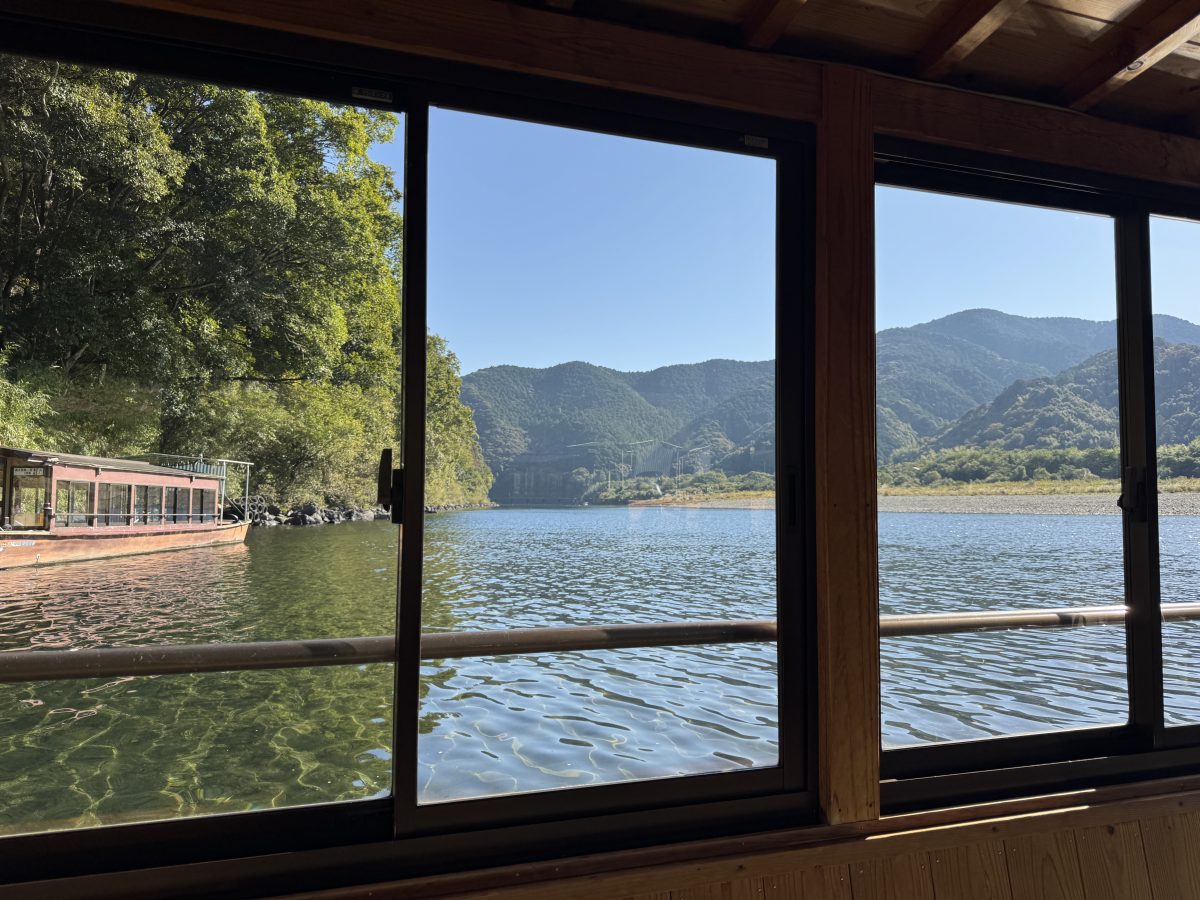
Cruises often depend on weather and water levels; after heavy rain, rising water may pause operations. But when the river is calm, each season offers its own charm: soft breezes in spring, clear views in autumn, and crisp, sunlit days in winter. Some operators even serve meals onboard, letting you enjoy local flavors in a slow, distinctly Japanese setting.
The Submersiblea bridges of Shimanto are local icons. Built deliberately low and without railings, they are designed to sink underwater during floods, allowing driftwood and debris to pass without destroying the structure. More than 20 remain in use today.
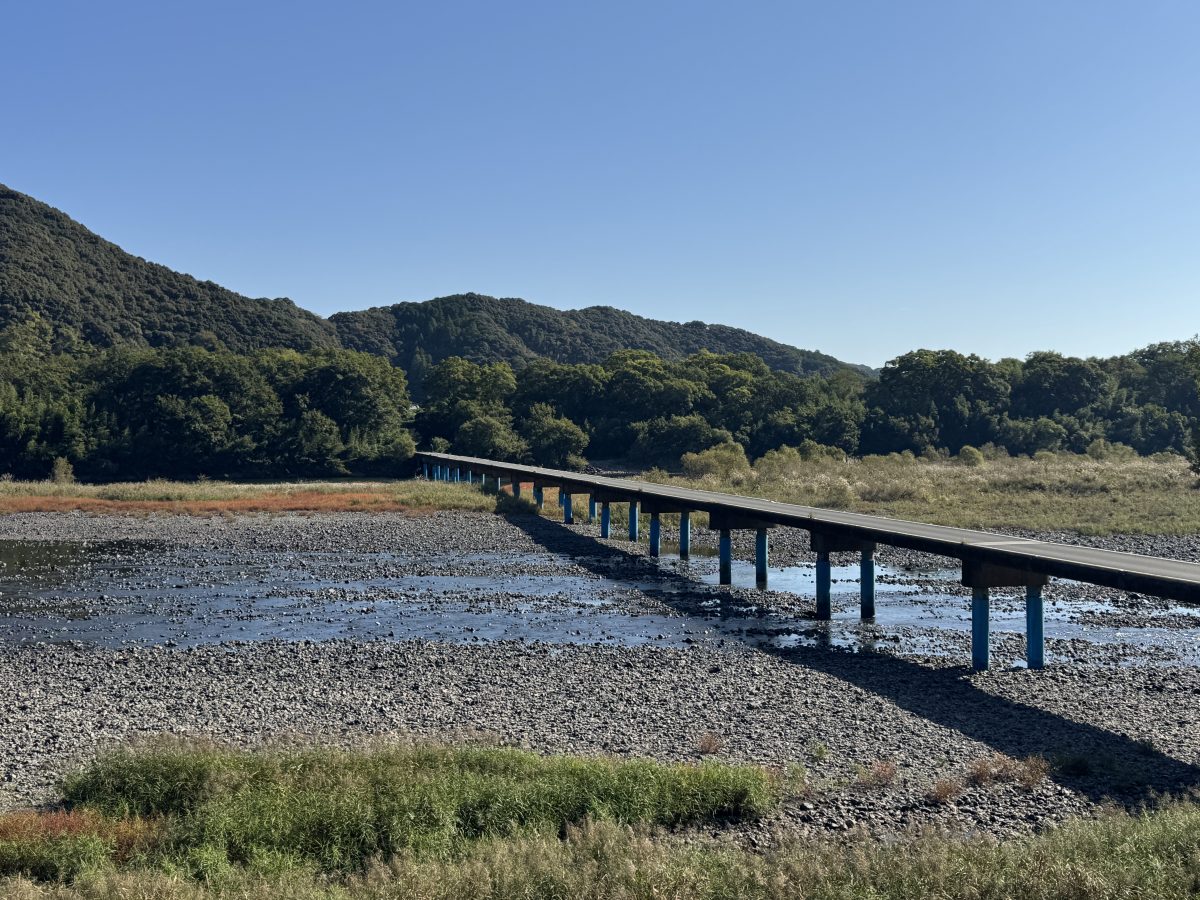
The most photographed is the Sada Chinka Bridge, stretching across one of the widest sections of the river. The combination of open water and mountain ridges captures the spacious feel of Shimanto’s landscape.
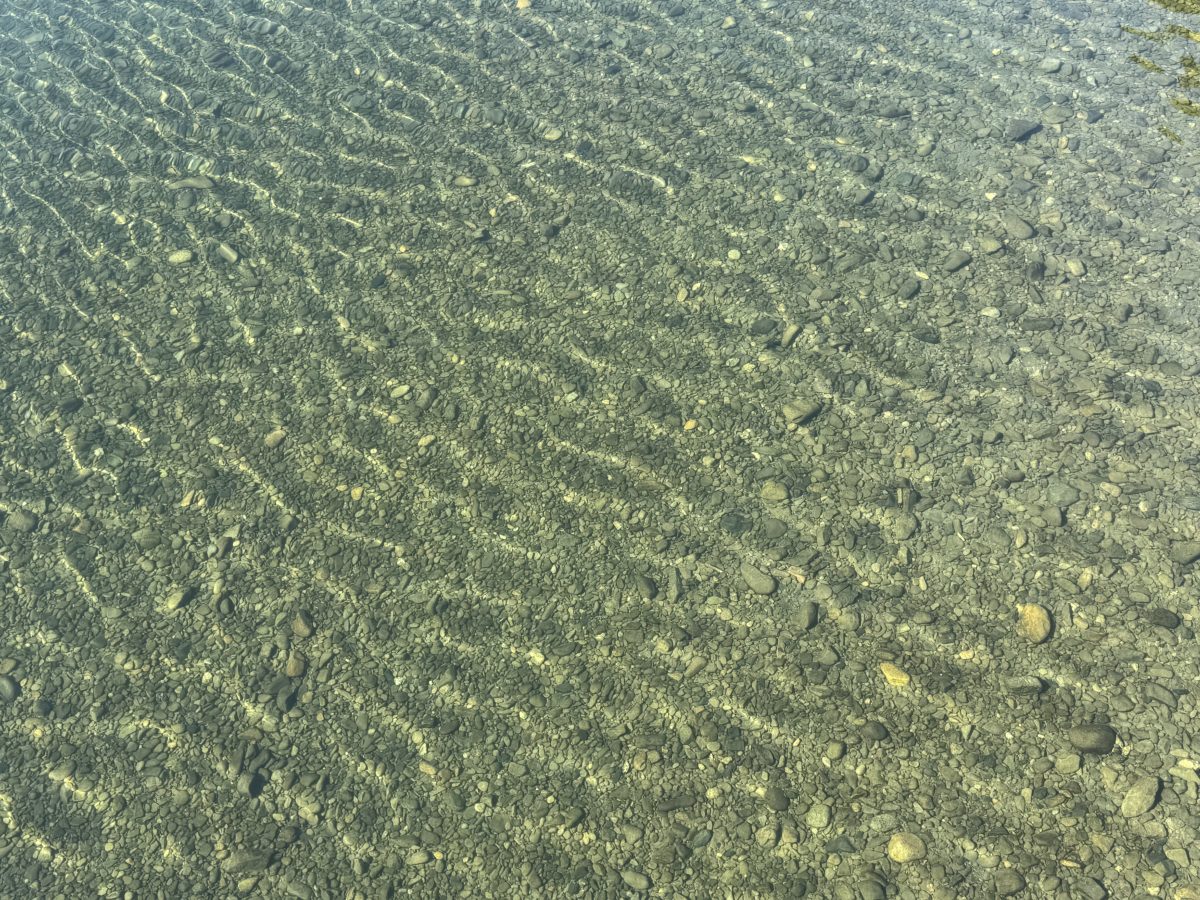
In the midstream areas where the water is especially clear, you might even spot fish gliding under your feet. Crossing by bicycle or car requires a steady hand, but the simplicity of the scene leaves a lasting impression.
If you want to experience the Shimanto more directly, join a canoe or stand-up paddleboard (SUP) tour. The flow is gentle, making it approachable even for beginners, and long-running local operators provide guided routes ranging from short half-day paddles to full-day downstream courses.
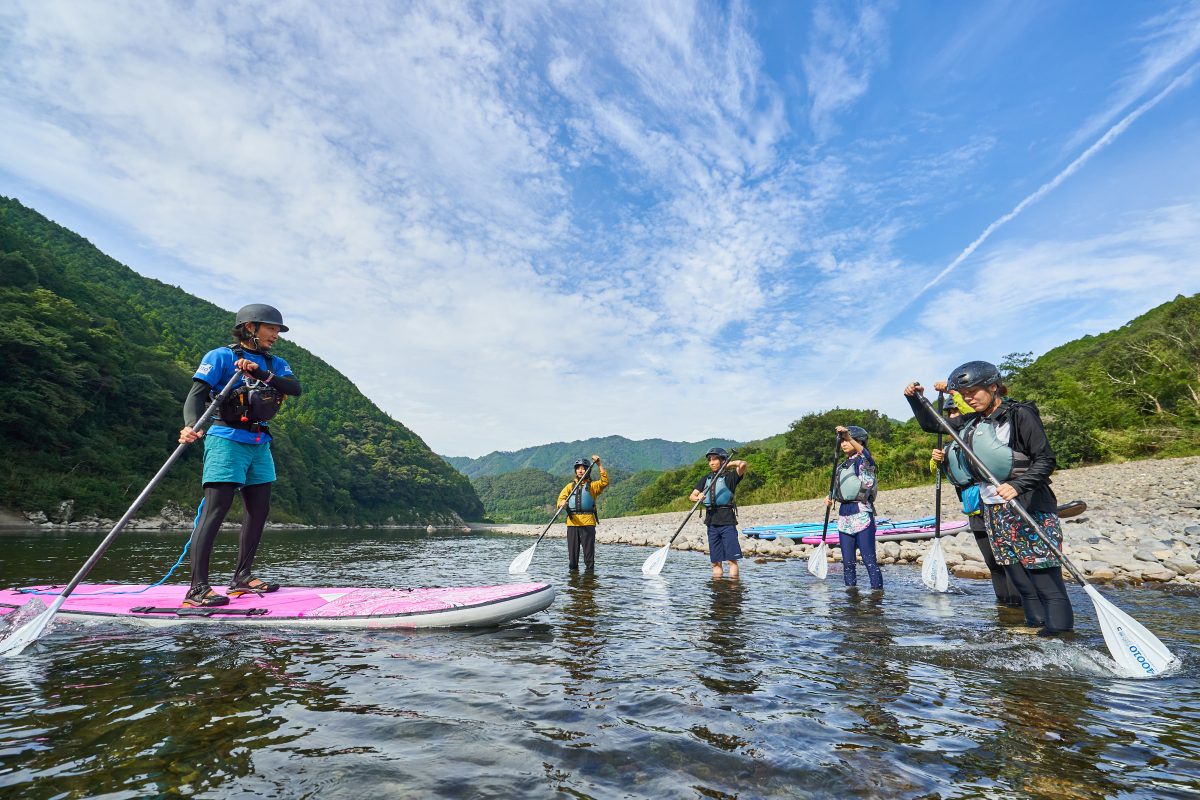
The river changes mood with the seasons: cherry blossoms in spring, cool splashes in summer, glass-clear water in autumn, and peaceful silence in winter. On snowy mornings, the stillness of the river makes the experience feel almost otherworldly.
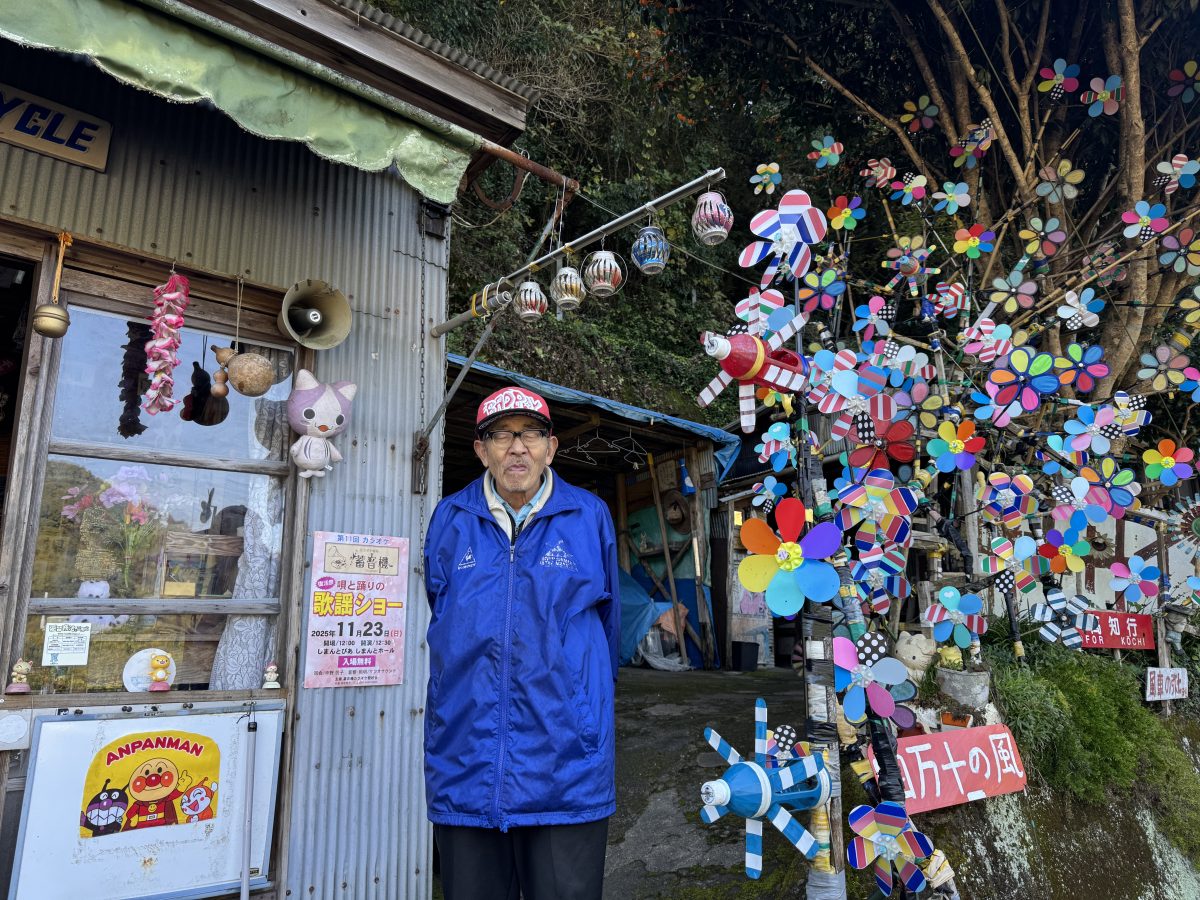
In central Shimanto City, a tiny shop with bright pinwheels spinning at the entrance marks Nonaka Cycle. The shop has been around for more than 45 years, but these days it functions less as a repair shop and more as a gathering place for curious travelers.
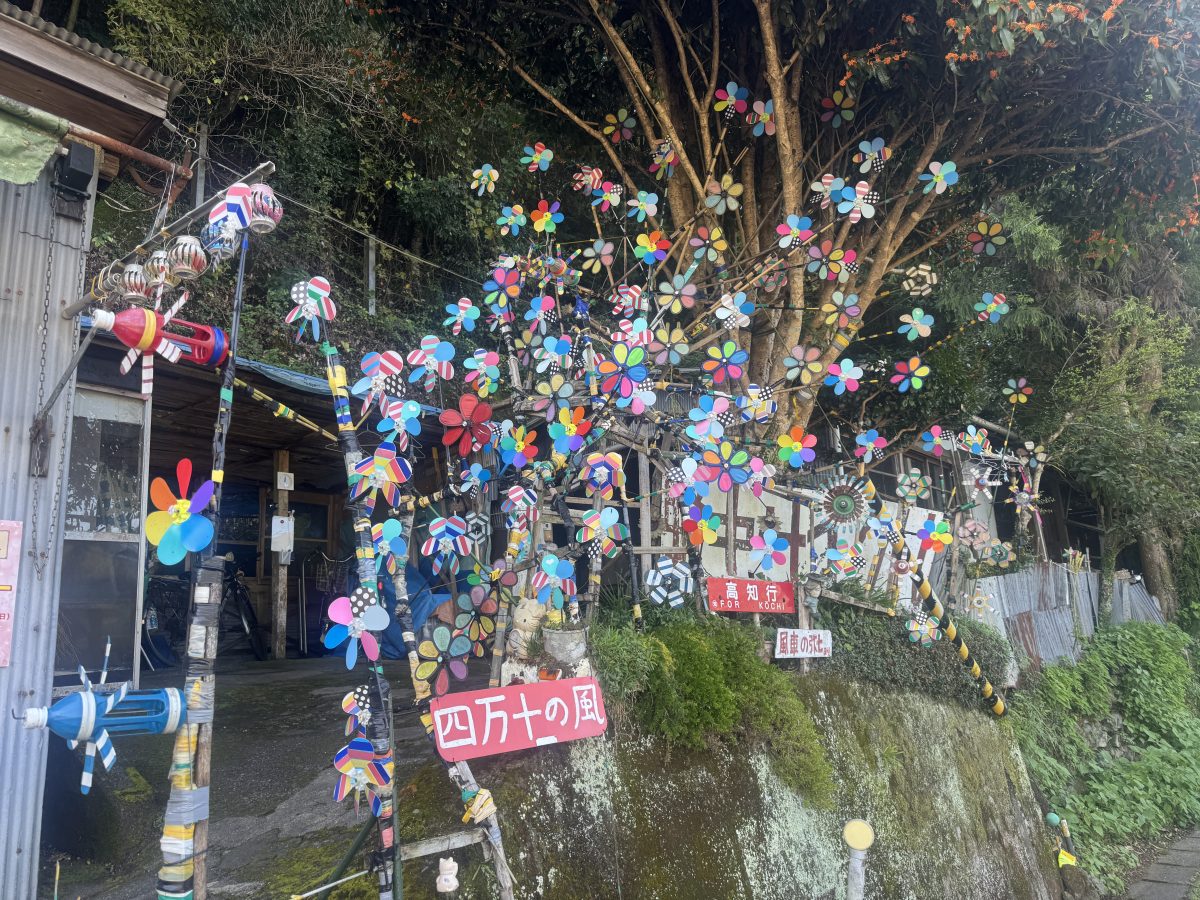
The pinwheels catch the eye of people passing through town, and many wander in just to say hello. Since around 2008, the owner has taken commemorative photos with visitors—now filling five albums with people from 18 countries and 34 prefectures in Japan. Some even return on later trips. It’s the kind of warm, unexpected stop that makes rural travel memorable.
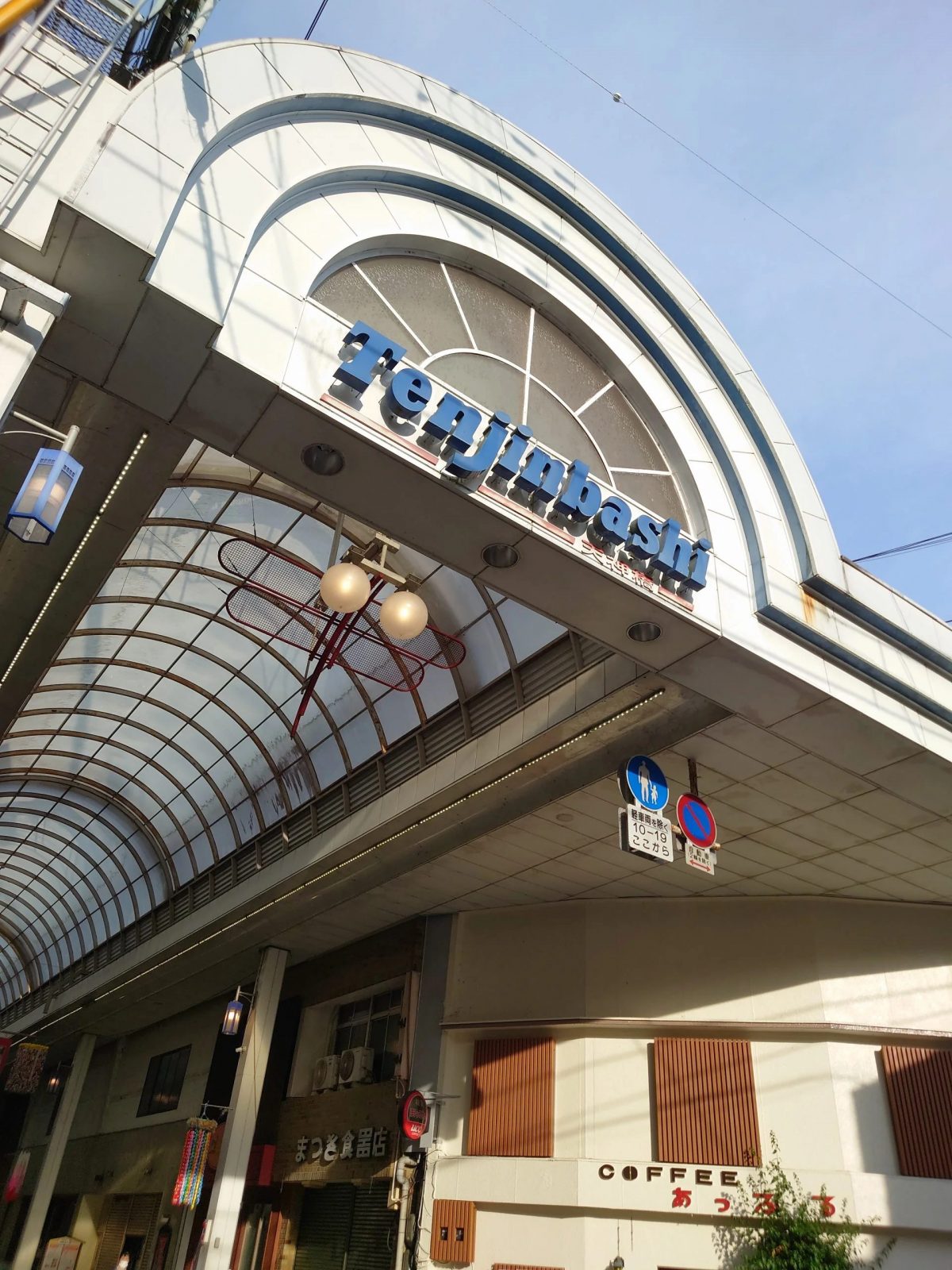
At the center of the city lies the Tenjinbashi Shopping Arcade, a simple, low-key covered street lined with local shops. There’s nothing flashy here—just traditional sweets stores, delis, and small household shops that locals visit in their daily routines. Because it wasn’t built for tourists, the arcade offers an authentic glimpse into everyday life.
A short walk through the quiet alleys provides a grounding contrast to the riverside scenery.
If you’re exploring the river by car, Yotte Nishi-Tosa, a riverside roadside station, is an easy and convenient stop. Japan’s roadside stations serve as rest areas offering local food, souvenirs, and travel information—and this one does all three well.
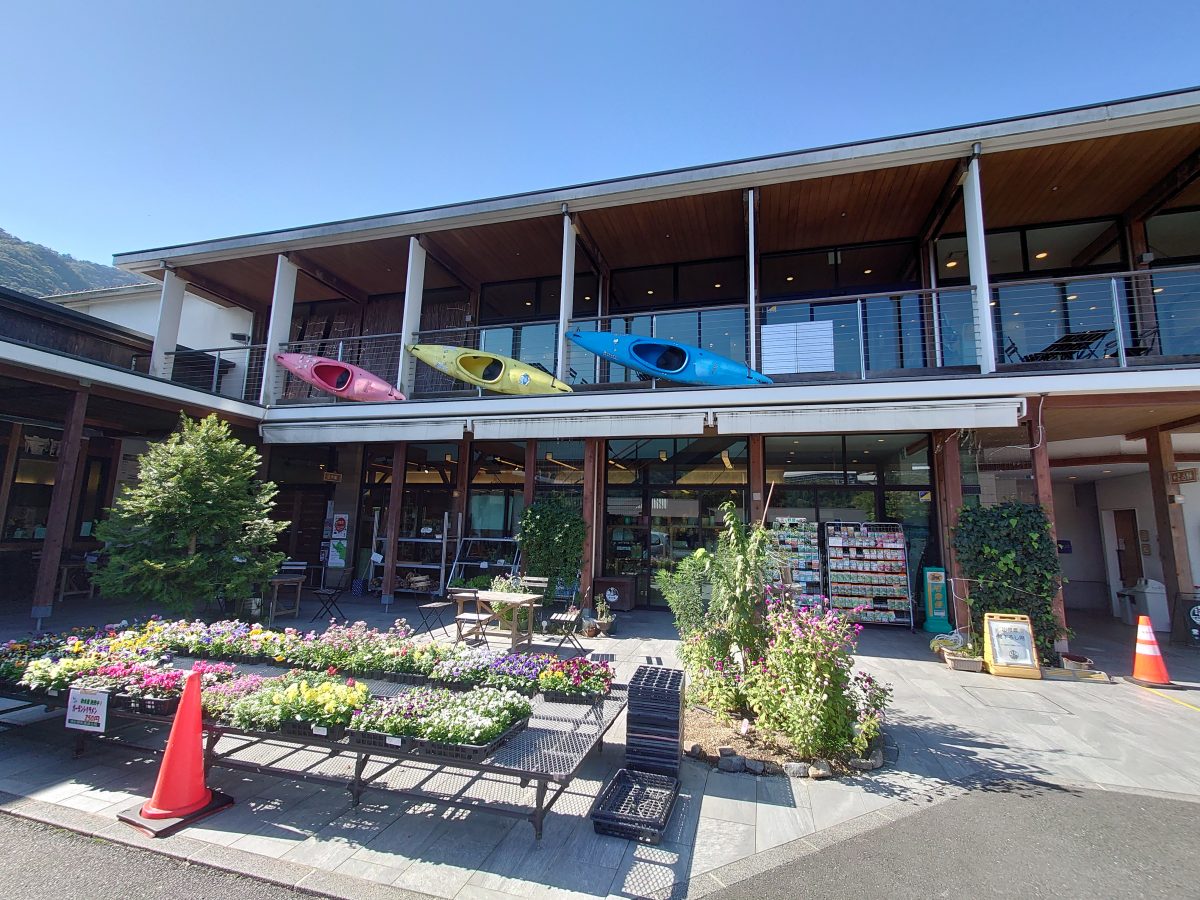
The restaurant features regional dishes such as Shimanto ayu (sweetfish), Shimanto pork, and vegetable-focused meals. The shop is stocked with river nori, yuzu products, and other flavors unique to Shikoku. Behind the building, the river flows quietly, and many visitors step outside to take photos or simply enjoy the open scenery.
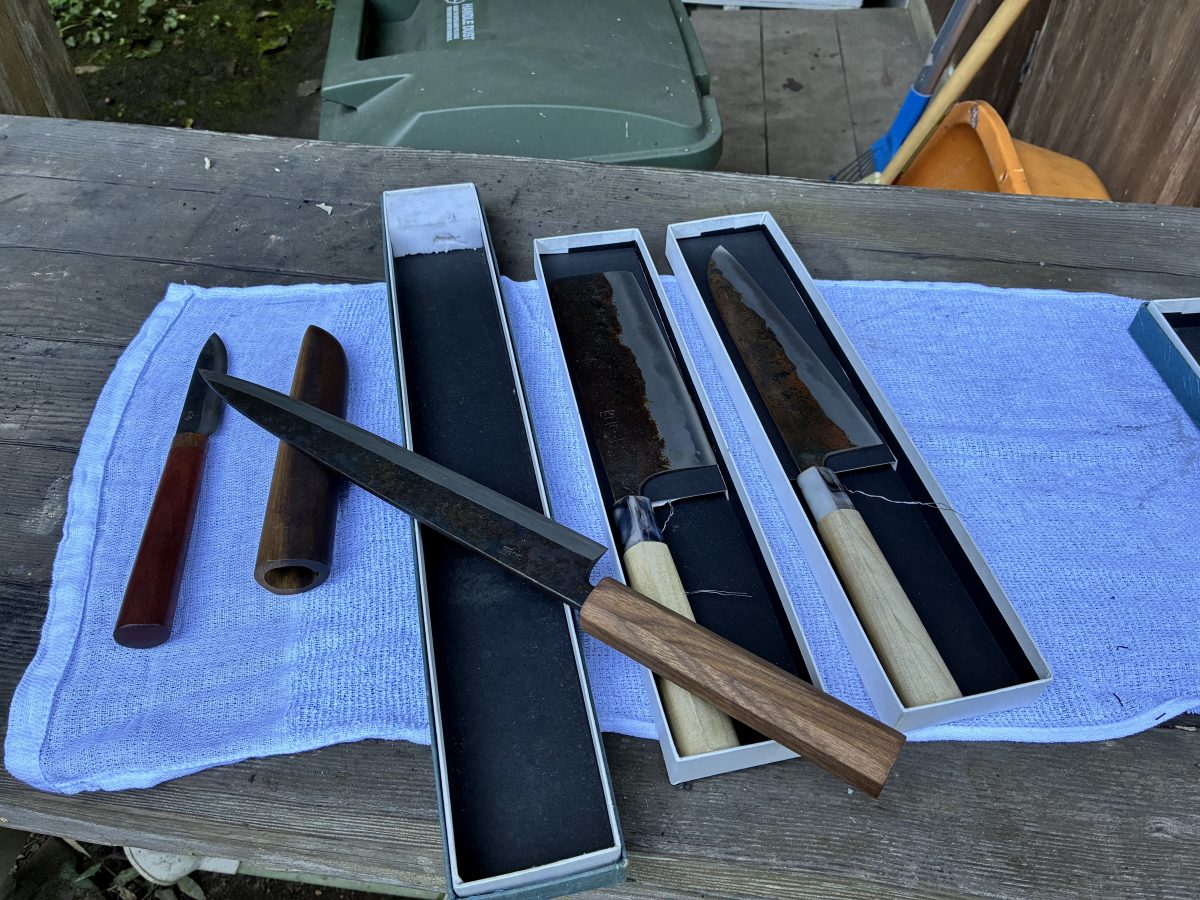
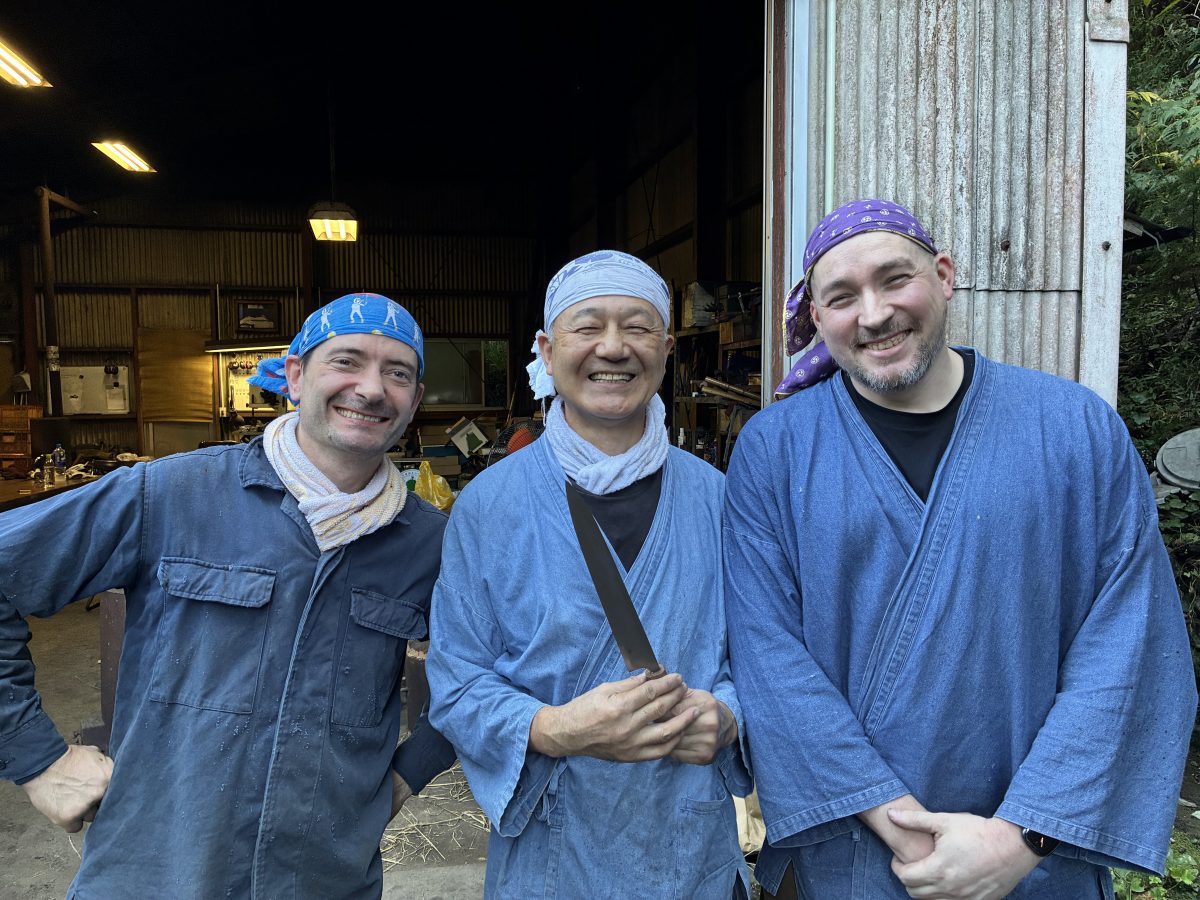
Beyond nature, the Shimanto region offers hands-on craft experiences. At this workshop, you can try blacksmithing—heating iron, striking it with a hammer, and shaping it into a tool. Some courses even let you make your own knife.
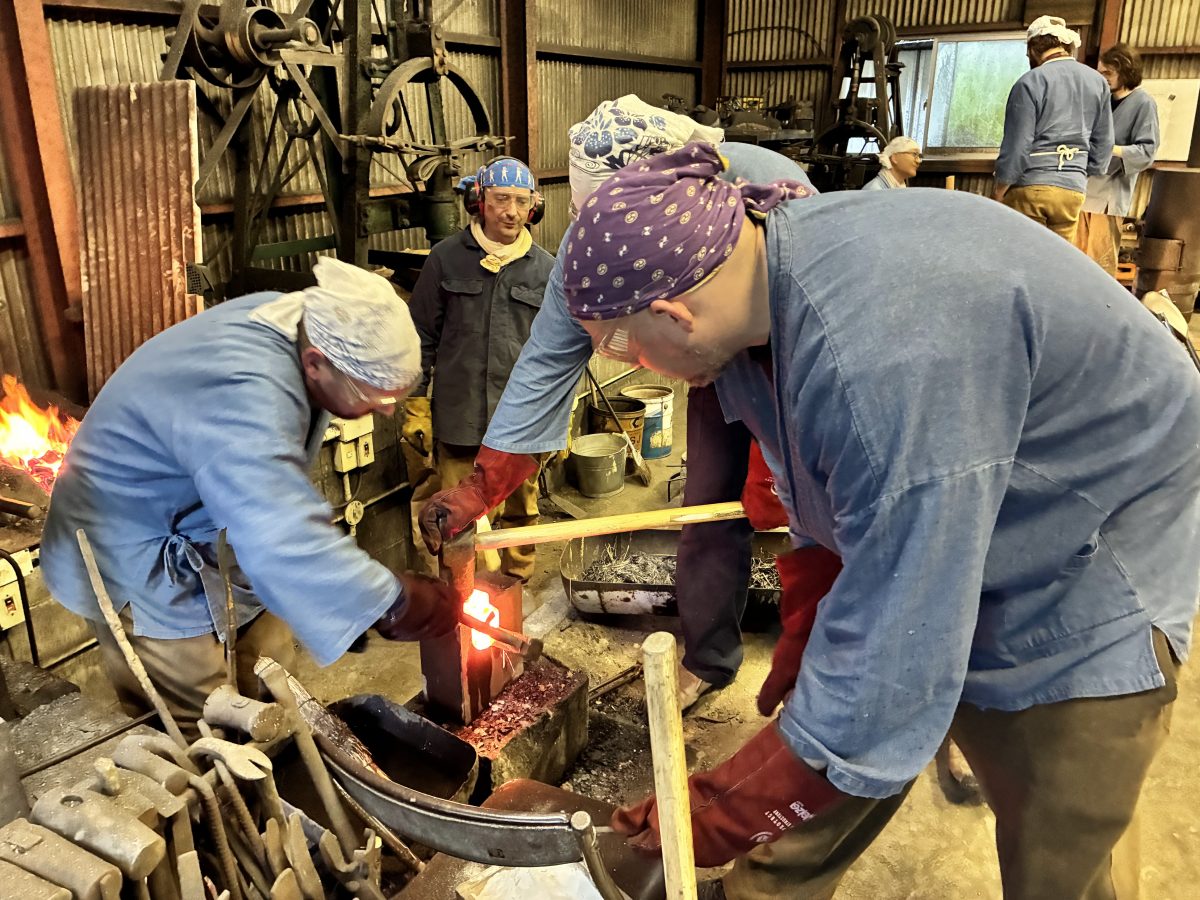
The process requires focus but is surprisingly intuitive, and the final result becomes a meaningful travel memento. It’s also a great rainy-day option.
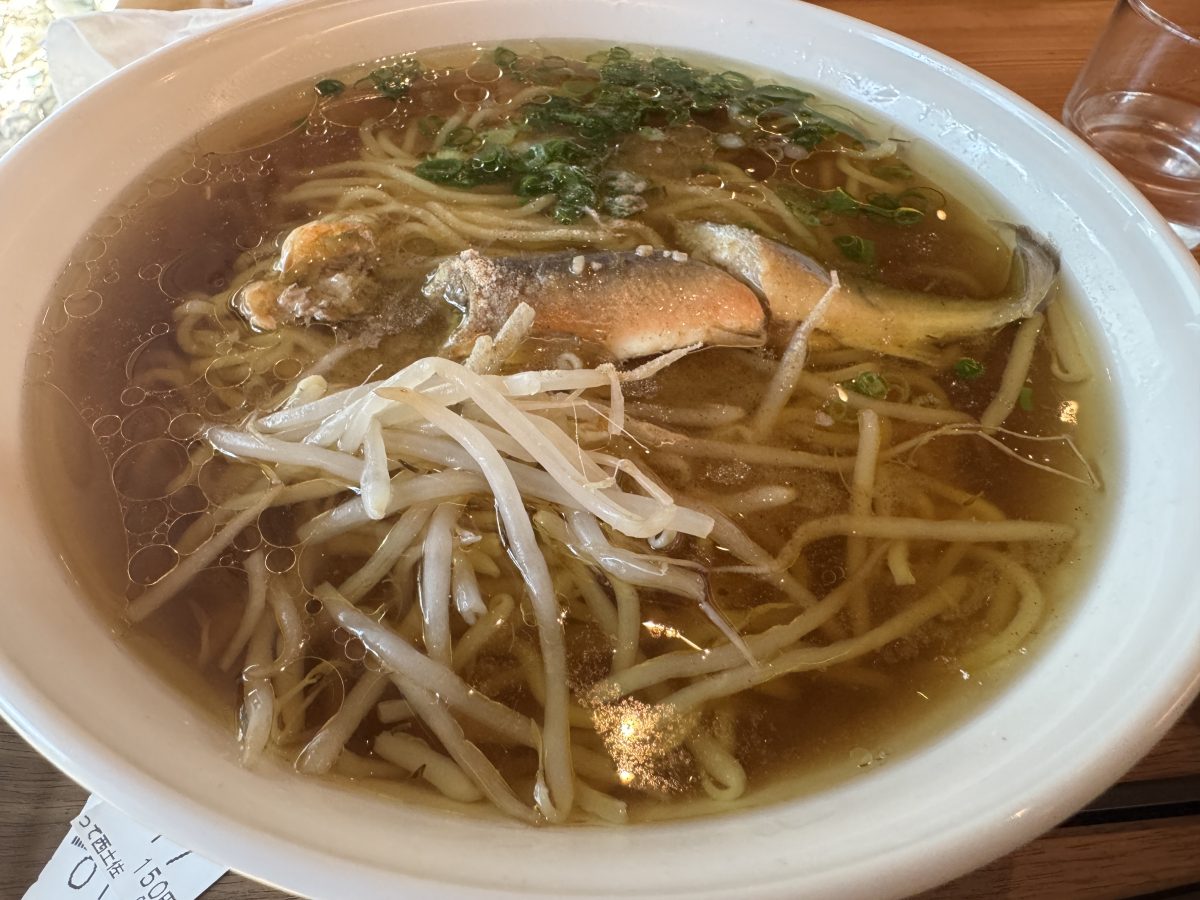
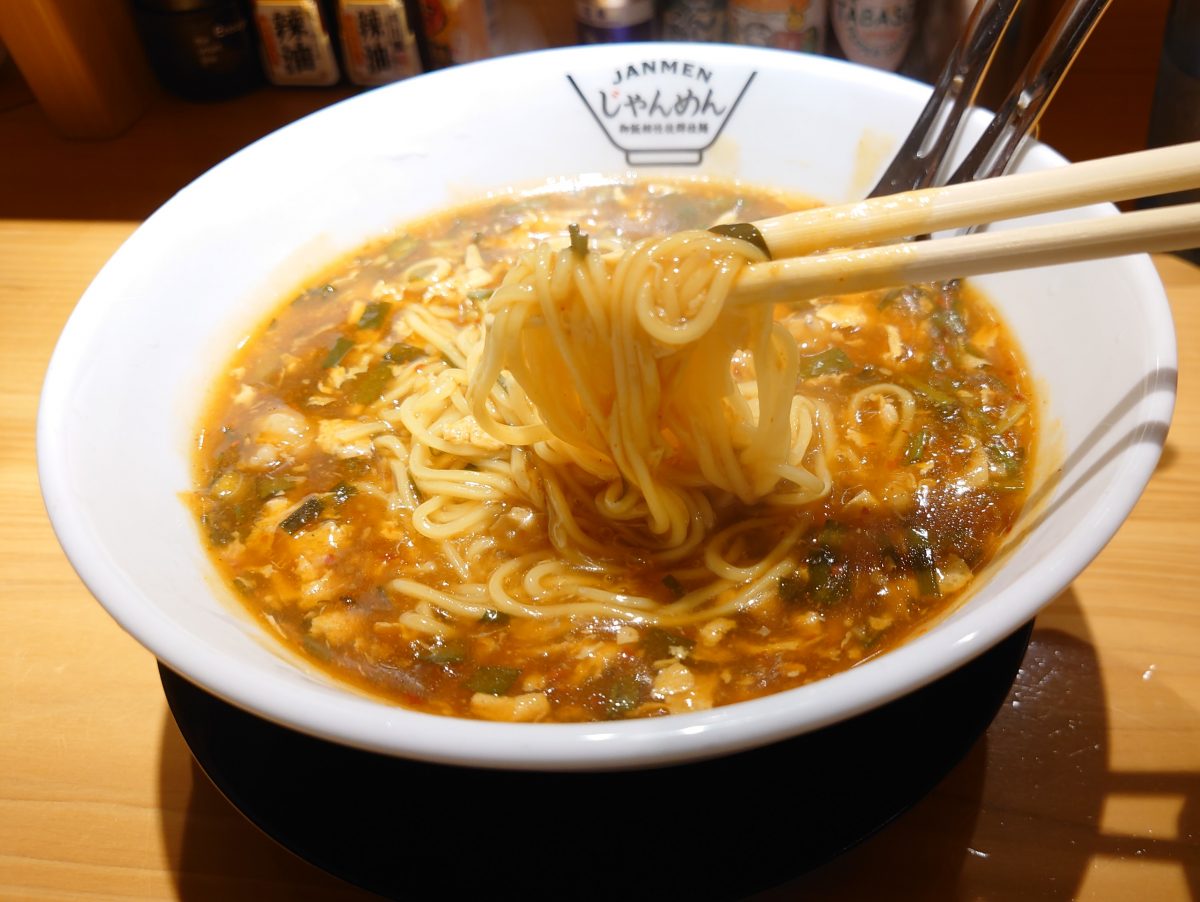
When hunger hits, look for Janmen, a hearty local noodle dish with a rich, savory broth. At Manshuuken, a well-known shop in Shimanto City, you can try Janmen-han, a set that pairs the noodles with rice for an extra-satisfying meal. It’s popular among locals and easy for travelers to drop in between sightseeing stops.
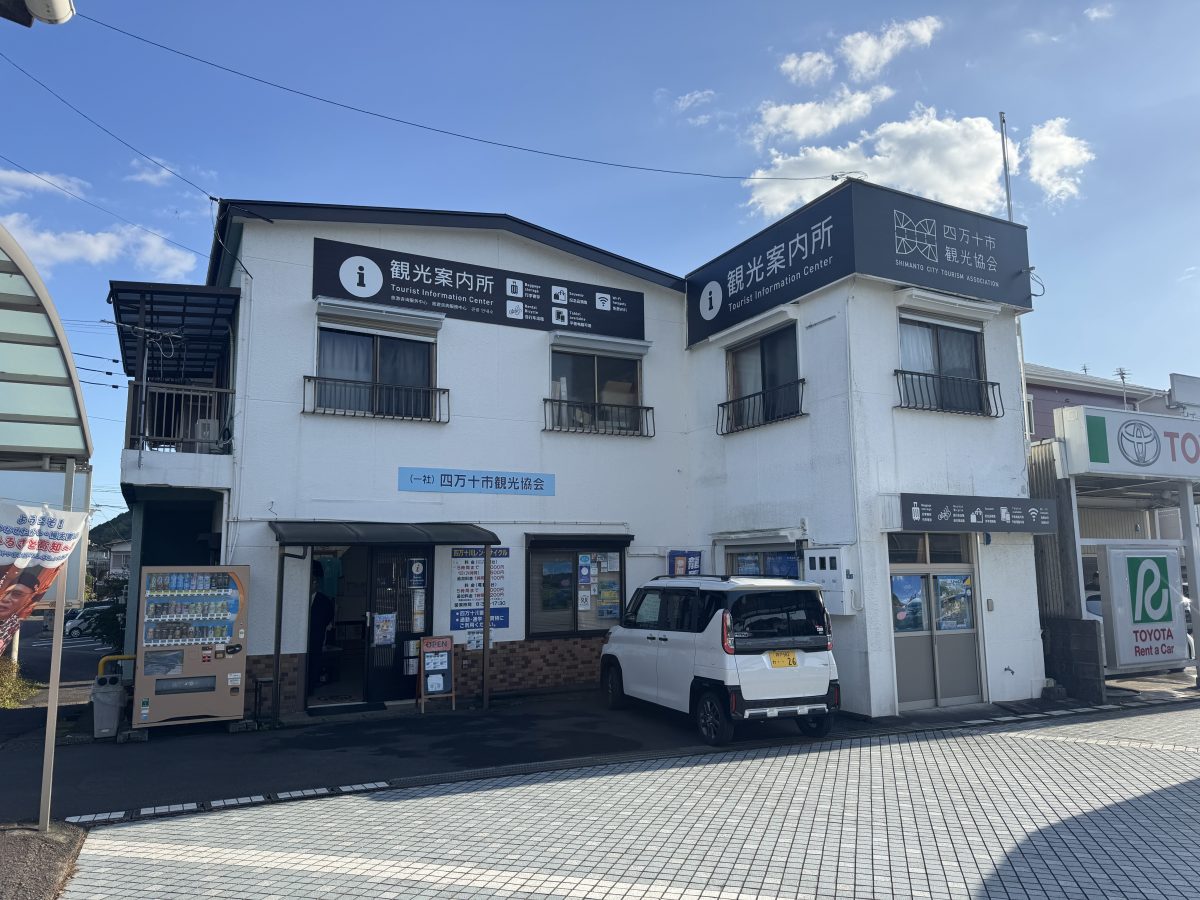
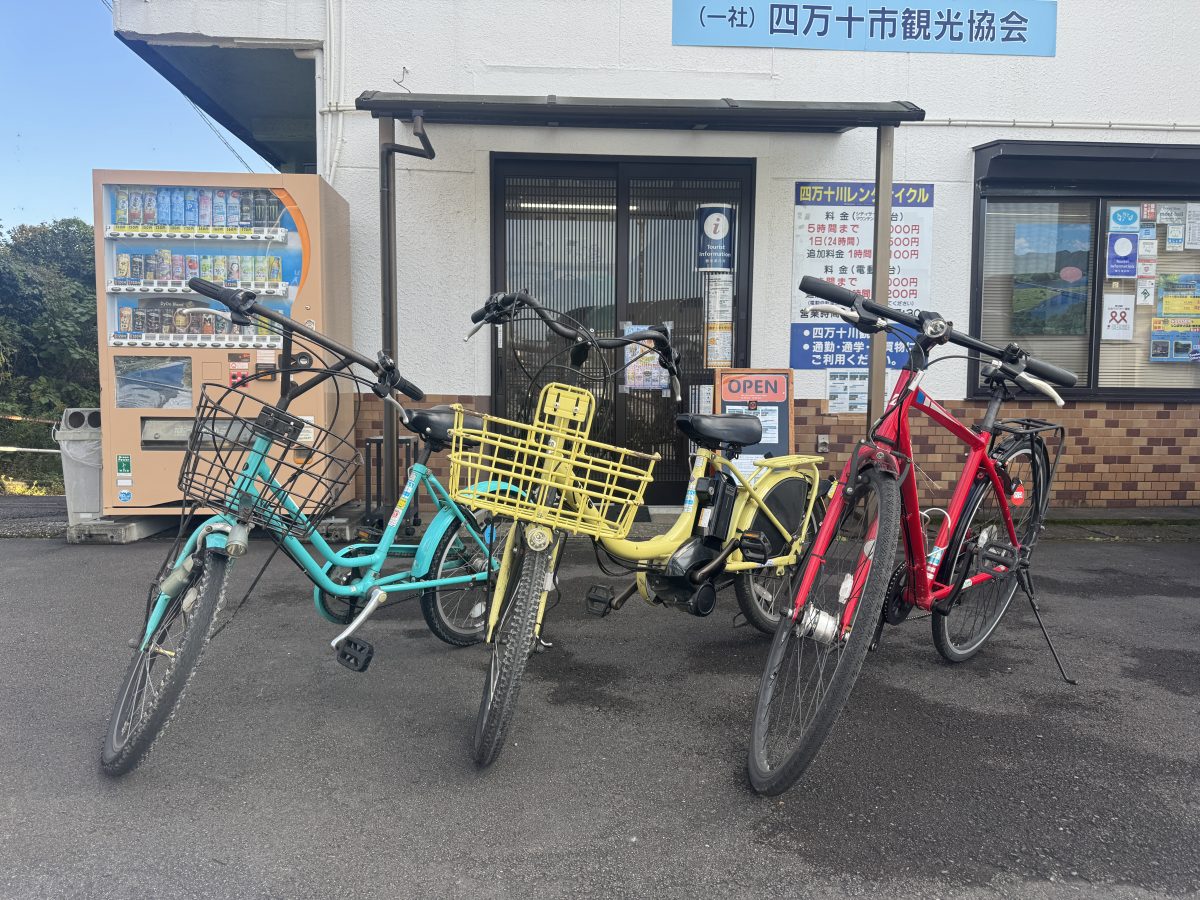
Near Nakamura Station—the gateway to the region—the Shimanto Tourism Association offers maps, brochures, event support, and bicycle rentals. The association moved to its current location around ten years ago, but the rental service has been running even longer.
Because scenic spots along the river are spread out, bicycles are a practical way to explore. In addition to standard rentals, the association offers “Rinrin Cycle”, a one-way system that lets you return your bike at several riverside facilities—perfect for flexible itineraries.
A trip to Shimanto blends nature, food, and hands-on experiences into a relaxed, well-balanced journey. Whether you’re drifting along the water on a yakatabune, crossing the chinka bridges, paddling through clear currents, tasting local dishes, or joining a craft workshop, the region offers something approachable for every traveler.
Most spots require little preparation, making Shimanto an ideal destination for a slow, unhurried trip surrounded by one of Japan’s most beautiful rivers.
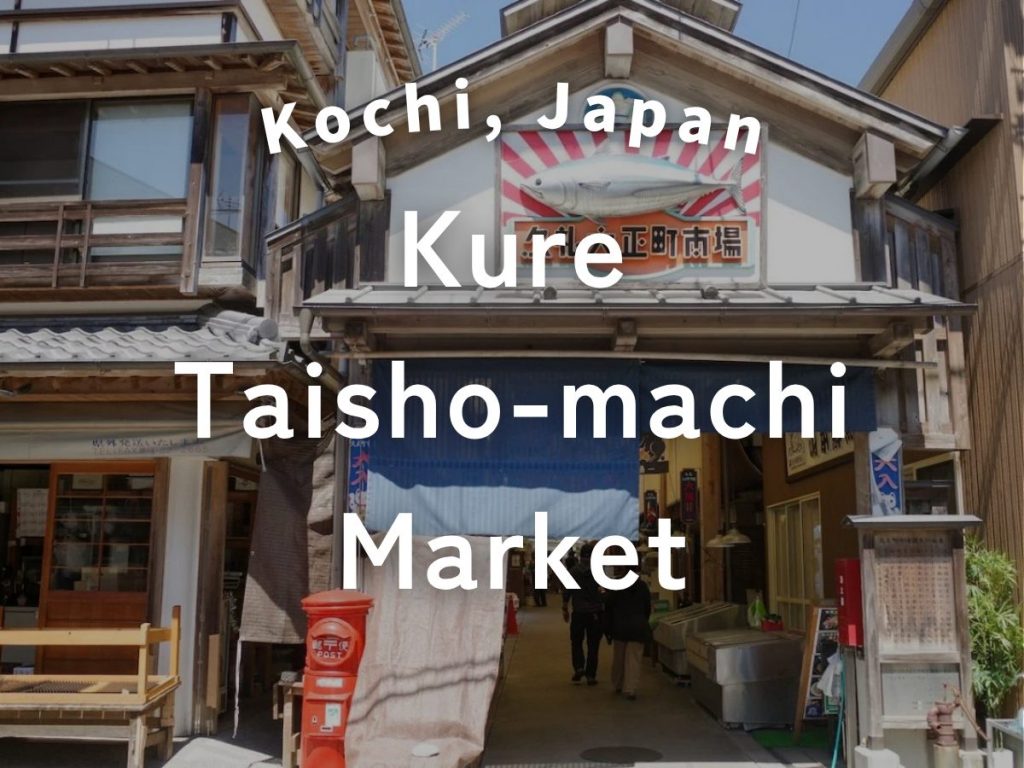
Gourmet, Sightseeing
Kure Taisho-machi Market Guide: Best Bonito, Local Food & Must-Try Spots in Kochi
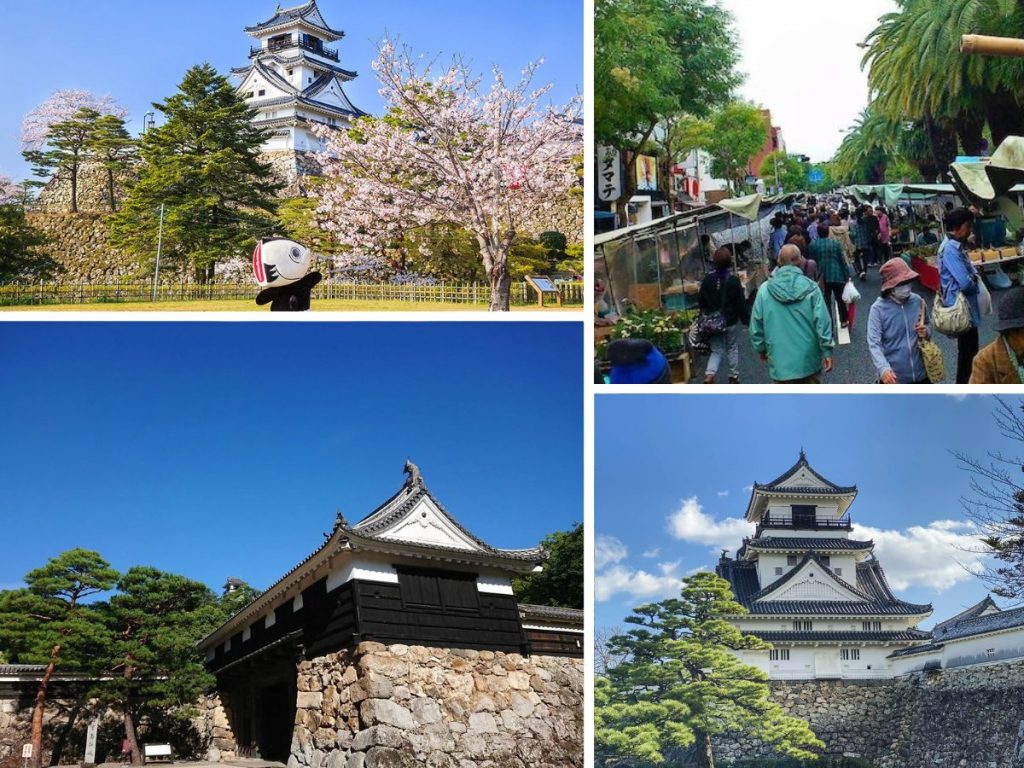
Sightseeing
Kochi Castle: A Journey Through History, Culture, and Stunning Views
Gourmet, Sightseeing
Discover the Shimanto River: A Gentle Journey Through Japan’s Last Pristine Waters
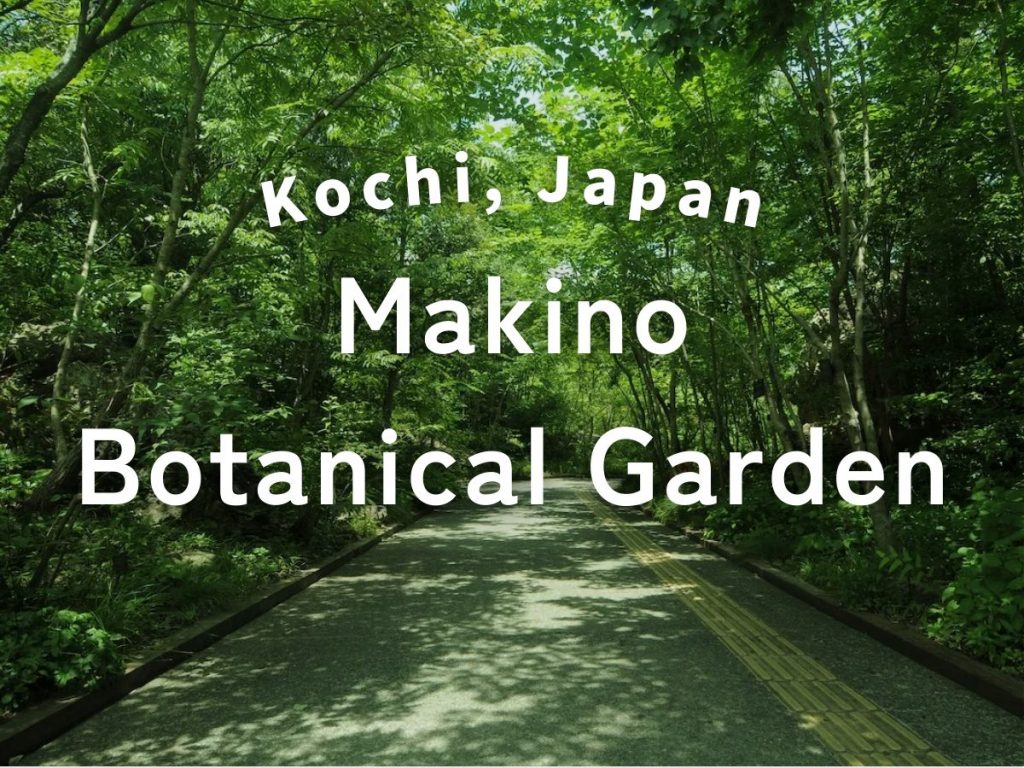
Sightseeing
Makino Botanical Garden: A Peaceful Nature Spot in Kochi, Japan
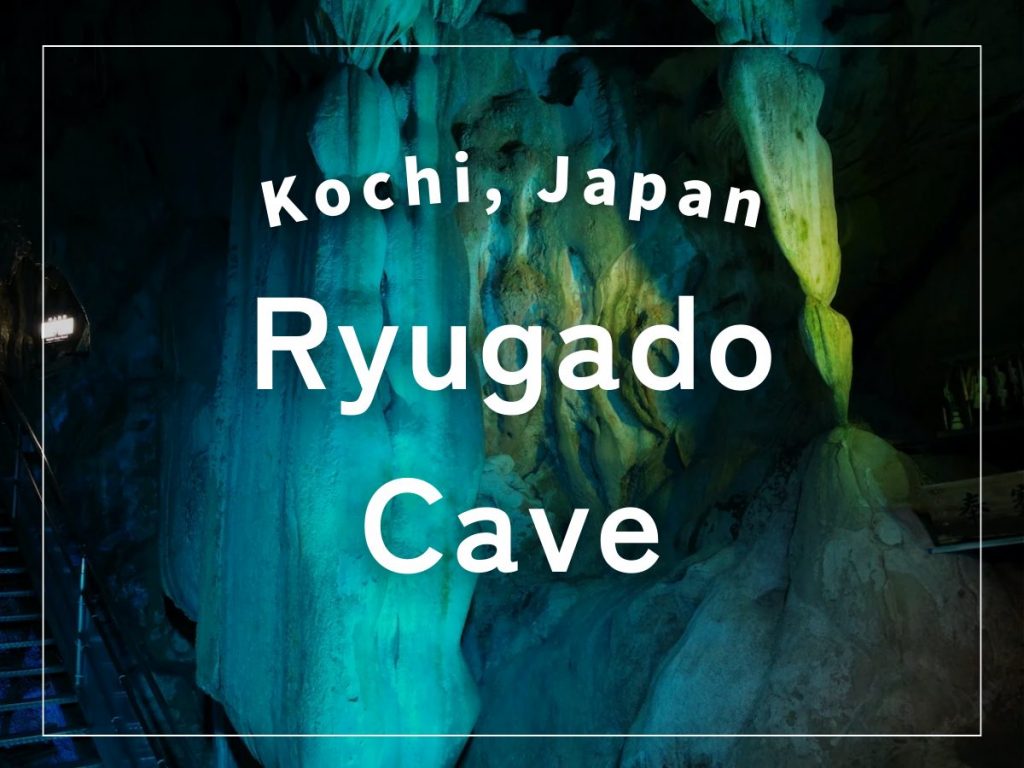
Sightseeing
Ryugado Cave: One of Japan’s Three Great Limestone Caves in Kochi
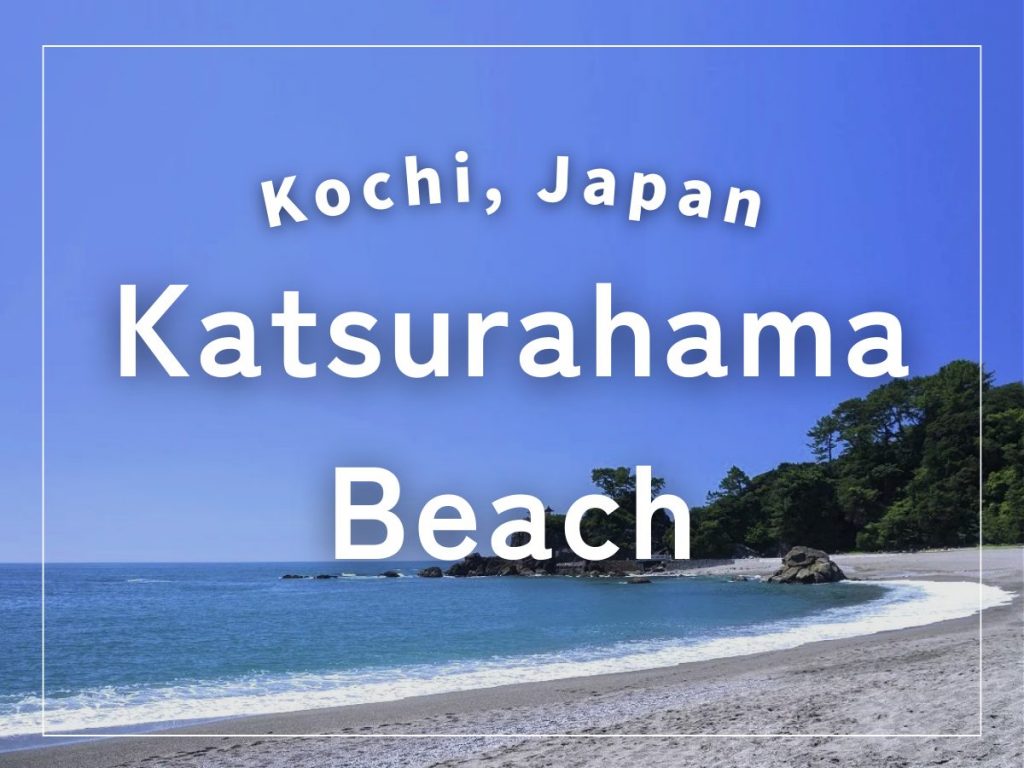
Sightseeing
Katsurahama Beach: Kochi’s Most Iconic Seaside Scenic Spot
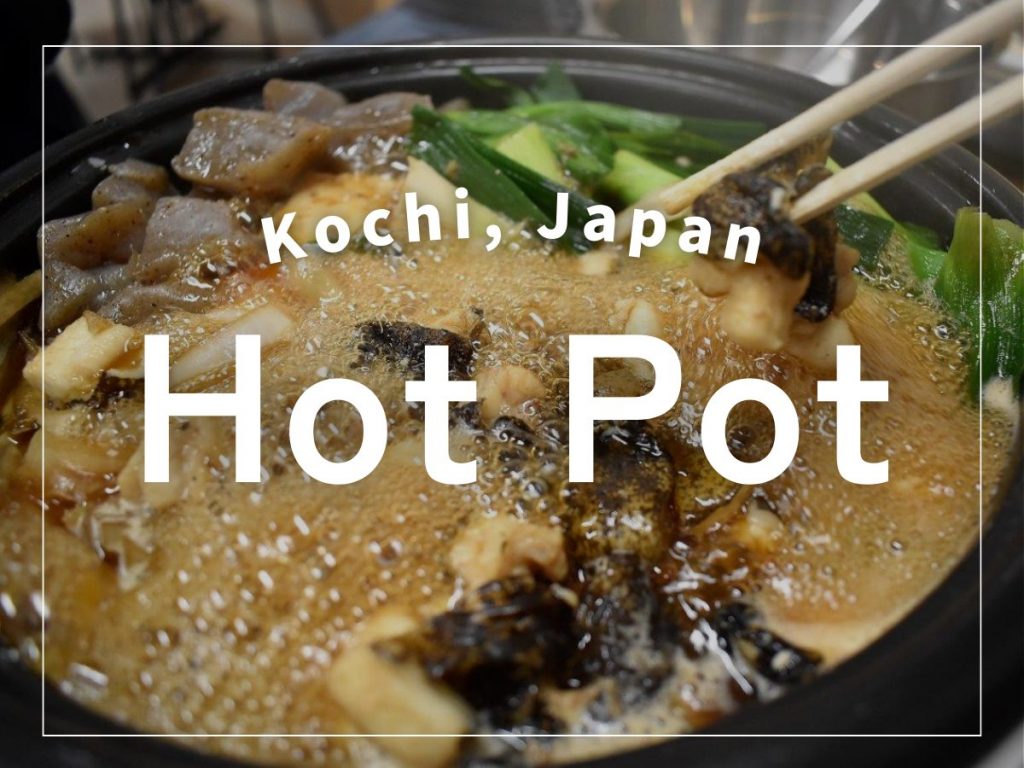
Gourmet
Five Local Hot Pot Dishes to Try in Winter in Kochi, Japan
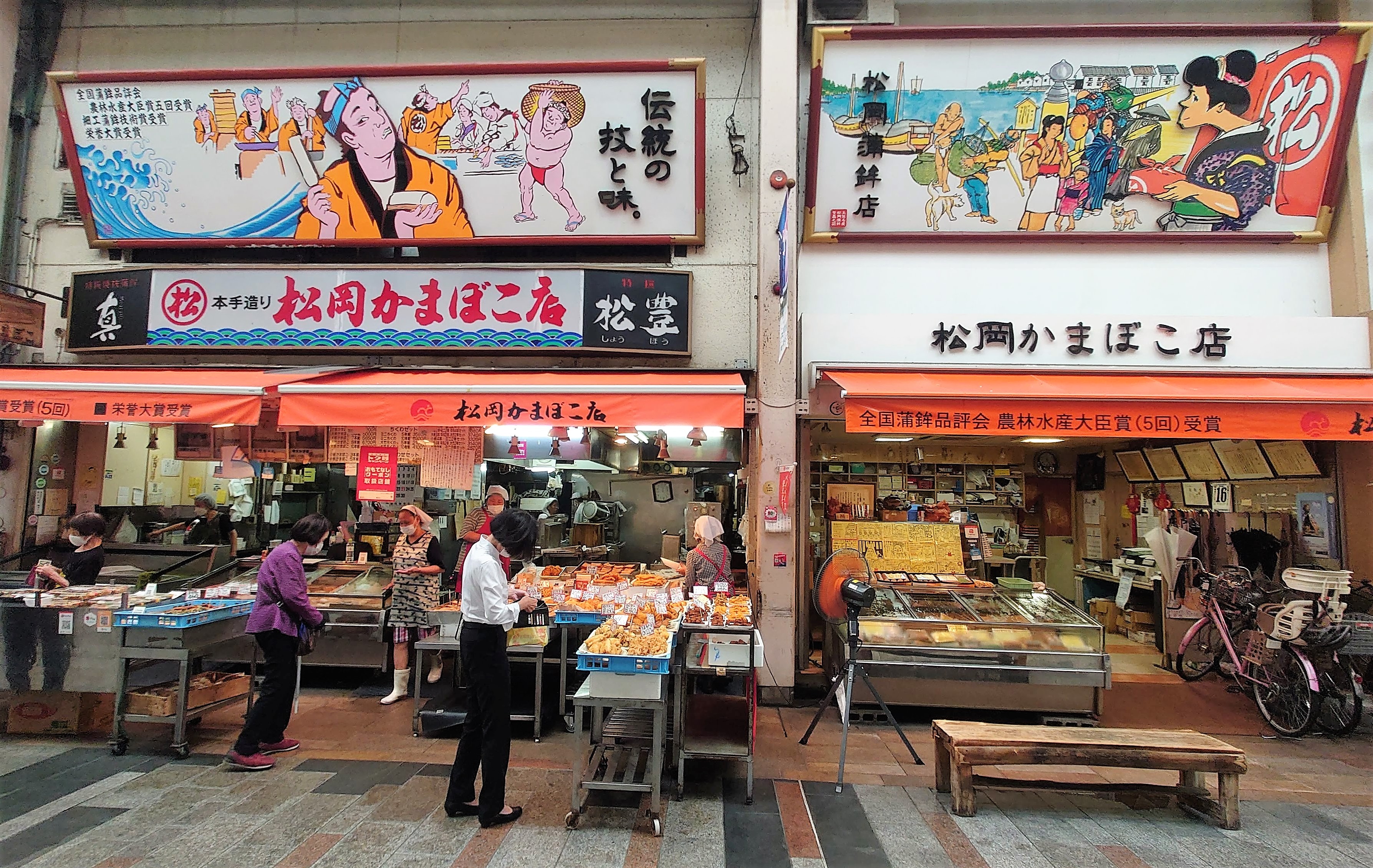
Gourmet, Sightseeing
Kochi Street Food Delight: Try Handmade Fish Cakes at Matsuoka Kamaboko Store
_T-1024x768.jpg)
Sightseeing
Winter Wonders in Kochi, Japan : Where Sunshine Meets Frost

Sightseeing, Souvenir
Kochi’s Pop-Culture Spot: Ghibli, Ultraman & Capsule Toys All in One Building
Gourmet
7 Must-Visit Wagyu Yakiniku Restaurants in Kochi, Japan
Sightseeing
Katsuo Ningen – The One and Only Bonito-Headed Guy from Kochi, Japan
Sightseeing
Top 10 Autumn Foliage Spots in Kochi, Japan
Sightseeing
The Niyodo River: A Guide to “Niyodo Blue” and Beyond